Skip to content
Check a passport
Consumers

Everything the thing you own could tell you, if you asked it.

What it is made of. Who made it. How to look after it. What was repaired and when. And the proof that makes it worth something to the next person.

To open itScan the label
App requiredNone
Your private detailStays yours
When you sell itThe story goes too
Across the lifecycle

You are the one who keeps it, so most of the story is yours.

A product’s record starts with the people who made it and spends almost all its life with you. What you add, whether a repair, a proof of ownership or a resale, is what turns a specification into a history.

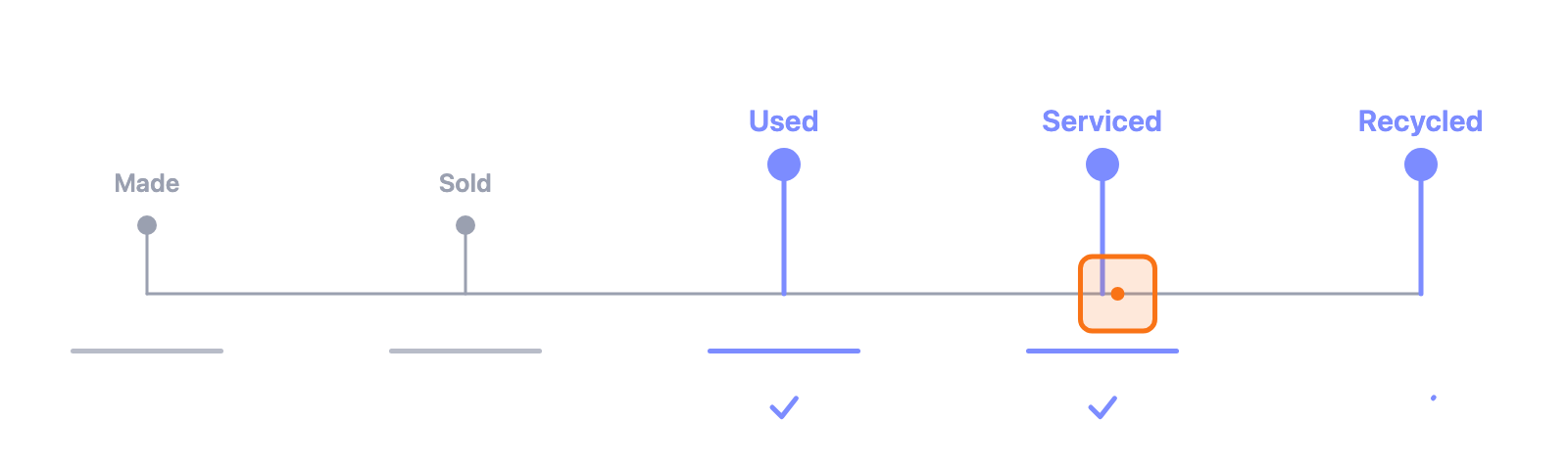
MadeThe first entry. What it is, what went into it, who made it and where. Everything after this points back to it.
SoldCare of the passport moves to whoever holds the product. The history does not reset, and nothing already written can be quietly removed.
In useThe owner reads it, adds to it and proves it is theirs. Private detail stays private to them.Yours
RepairedA service partner adds what they did and what they replaced. The entry carries their name, not the brand’s.Yours
Passed onResold, inherited, or recycled. The story travels with the product, which is what makes the next owner willing to pay for it.Yours

Yours are the years of use, every repair, and the moment you pass it on.

What it gives you

Four things you can do that you cannot do today

None of these need an account, an app, or trusting the shop that sold it to you.

Know it is real before you pay

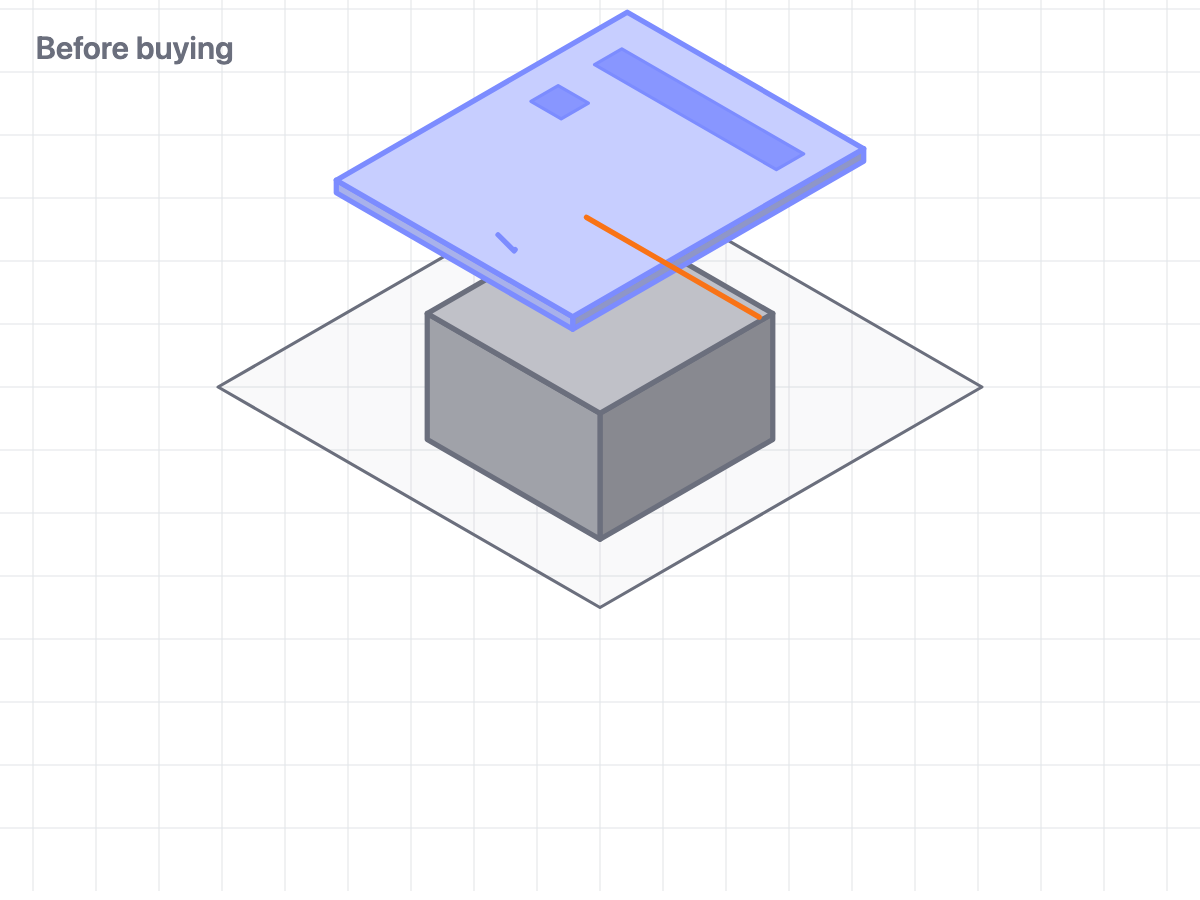
Especially secondhand. A genuine item carries a record that traces back to the brand that made it, and you can confirm that yourself, standing there, without an expert.

For example. Buying a used designer bag privately and confirming its history in the time it takes to look at it.

Look after it properly

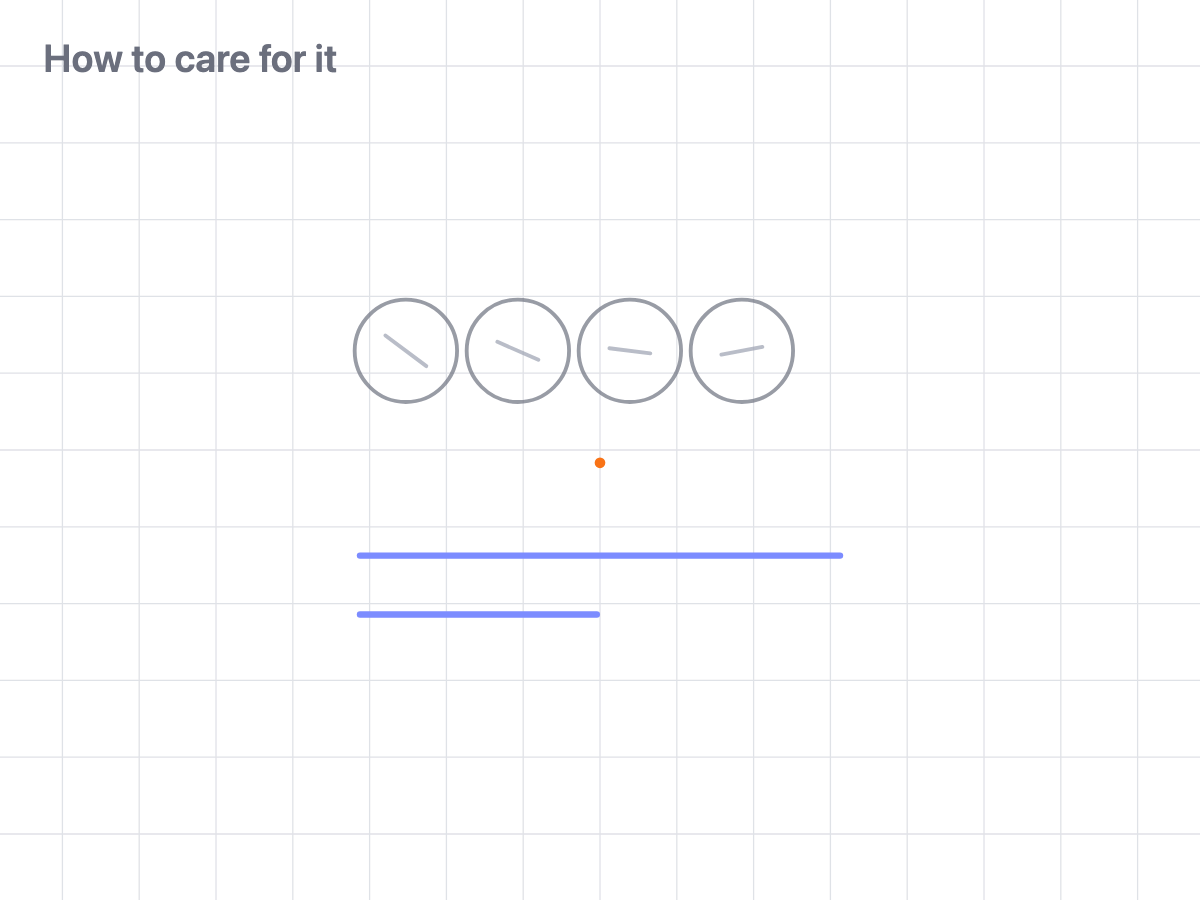
The care instructions, the exact materials, what can be repaired and by whom. Not a symbol to interpret, but the real answer, still there long after the label has worn away.

For example. A wool coat that tells you which repairer the maker recommends, six years after you bought it.

Keep what is yours private

Proving you own something and publishing your life are different things. A passerby scanning your bike sees the specification and its history, not your name, and that is enforced by how the record is built rather than by a setting.

For example. A stolen bike can be checked by anyone, while its owner’s details stay invisible to everyone but them.

Get what it is worth when you pass it on

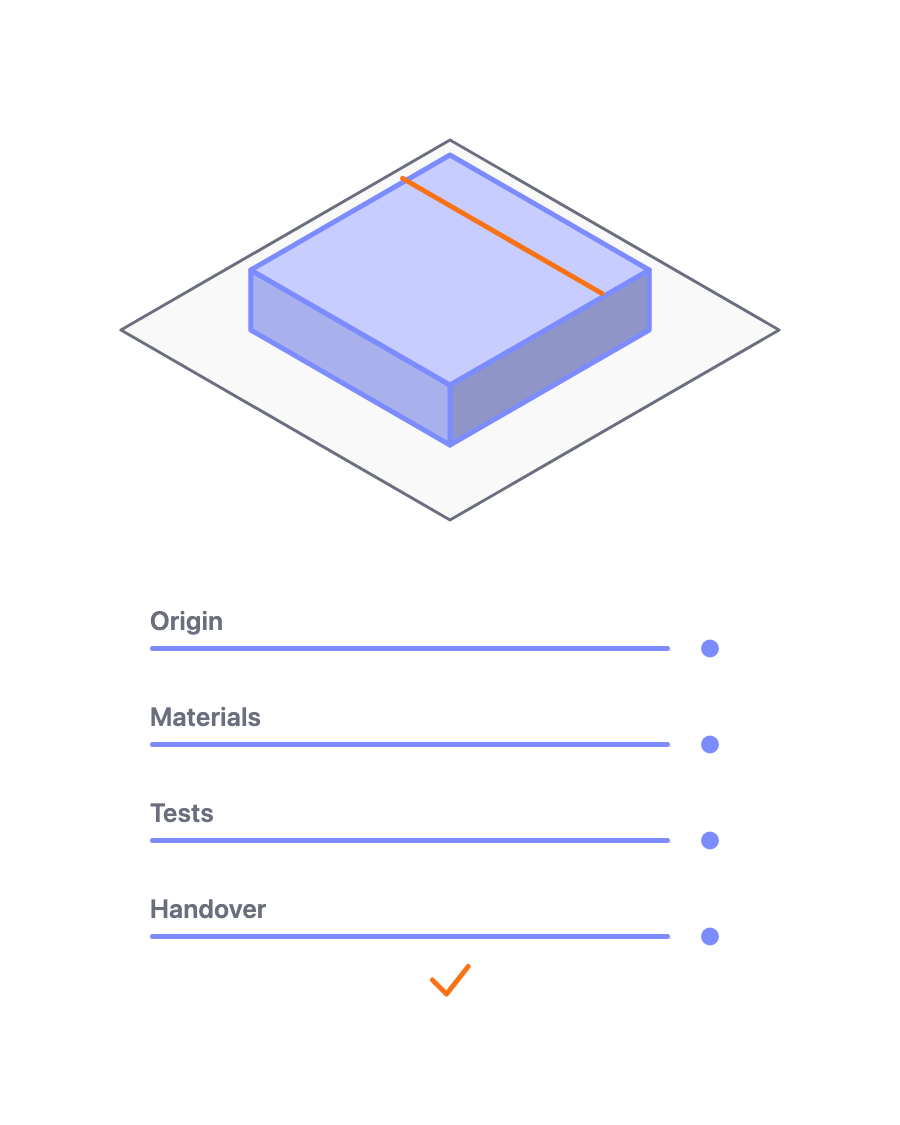
A documented history is the difference between a used item and a provenanced one. The repairs, the ownership, the originality: everything a buyer would take on faith is already attached, and goes with the product.

For example. A collectible with four recorded owners and one documented restoration sells for what it is actually worth.

What you get to see

Everything behind the label, in one page you can open.

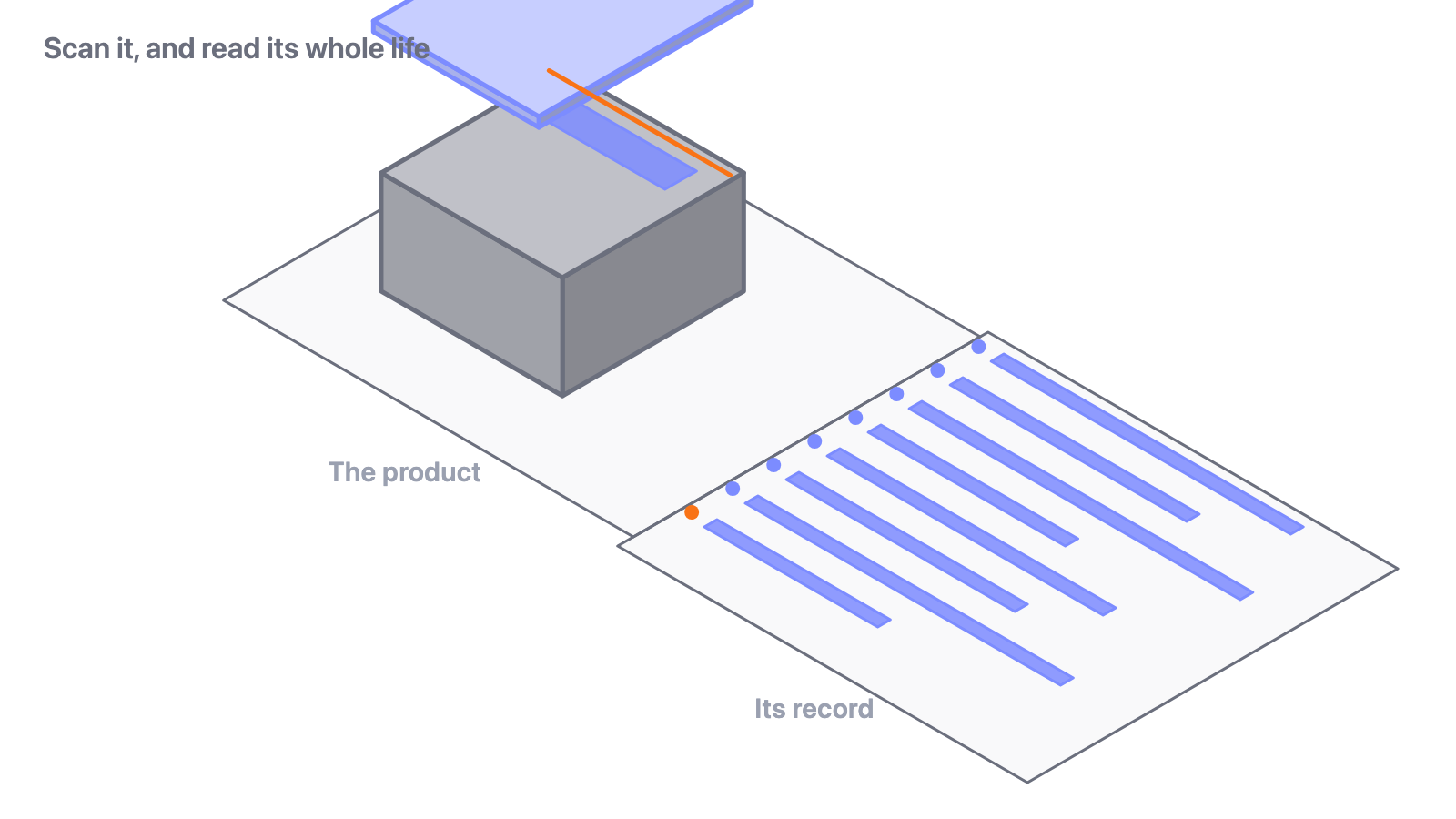
The tag, the care label and whatever the shop told you are three fragments of one story. Scanning the product gives you all of it, and lets you check the parts that matter.

The tag, Care label, Receipt, What you were told become one record, read back as Materials, Who made it, How to care, What it is worth.

A worked example

A worked example: a jersey you have owned for nine years

What you would see if you scanned it today, in the order it would appear.

What it isFibres, weight, where it was made and by whom
What happenedSold, repaired once, resold once
What you addedProof it is yours, private to you
How to care for itFrom the maker, not from a symbol
What it is worthA documented history, not an assertion

Nine years of a product’s life, readable from the label, with nothing to install.

How it works

The parts underneath, named plainly.

You do not need any of this to use a passport. It is here because the honest answer to "why should I believe it?" is that you do not have to, and this is why.

Why there is no app

The code on the label is an ordinary web link, following the GS1 Digital Link standard used by barcodes generally. Your camera opens it like any link, which is also why it will still work in ten years.

Why the brand cannot quietly change the story

Each entry is added on top of the ones before it, and none can be removed without the gap being obvious. A brand can add to a product’s history; it cannot rewrite what it said when the product was made.

Why you do not have to trust this site

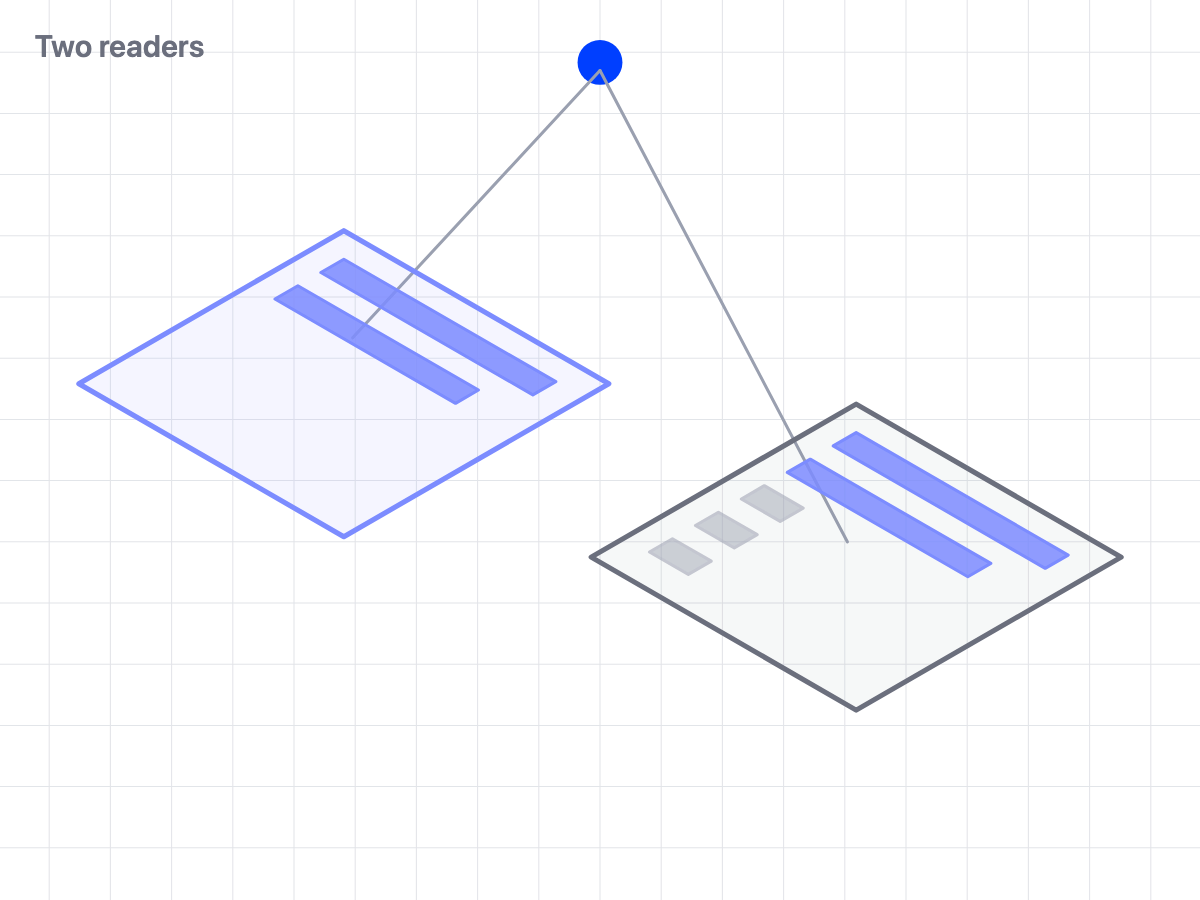
The check runs in your own browser, against public information, using a published method. You can run it on a record we did not choose for you, using somebody else’s software entirely.

Why a fake cannot copy it

Entries are attributable to the organisation that made them, through a published identity method called a BSV DID. Copying artwork is easy; producing a history attributable to the real maker is not.

Why it is not just our system

The shape of the record follows the DPP Token Standard v1 and each life event uses the published native claim format. Other people can build readers for the same passports, which stops this being one company’s private scheme.

Open one and read it end to end.

An example passport with a full life already behind it: made, sold, repaired, resold, and still readable.