The company goes
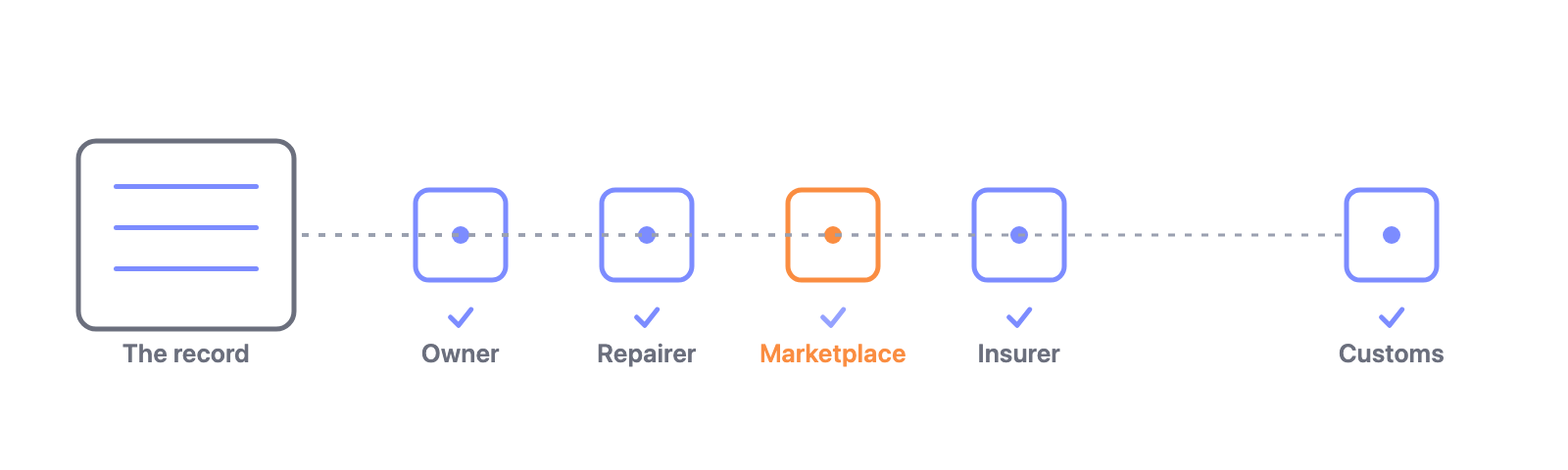
Acquisition, insolvency, a strategy change. The product is still in the world and the record it depended on is not.
A battery lasts fifteen years. A coat lasts thirty. A collection outlives its collector. Every one of them will still be asked to prove what it is long after somebody’s software has been switched off, so the proof cannot live inside anybody’s software, including ours.
The usual arrangement puts the record inside one company’s system and the reader outside it, asking. That works until it does not, and the day it stops is the day the record was finally needed.
Acquisition, insolvency, a strategy change. The product is still in the world and the record it depended on is not.
The company survives and the app does not. A product line is discontinued, an API is retired, a login stops working, and a record that still exists becomes unreadable in practice.
The system is running and answering, and you still have only its word. A reader who cannot verify independently is trusting the party with the most to lose from the truth.
The span differs: weeks for a bag of coffee, decades for a battery or a bracelet. The shape does not. In every one of them the party who needs the record is a stranger to the party who wrote it.
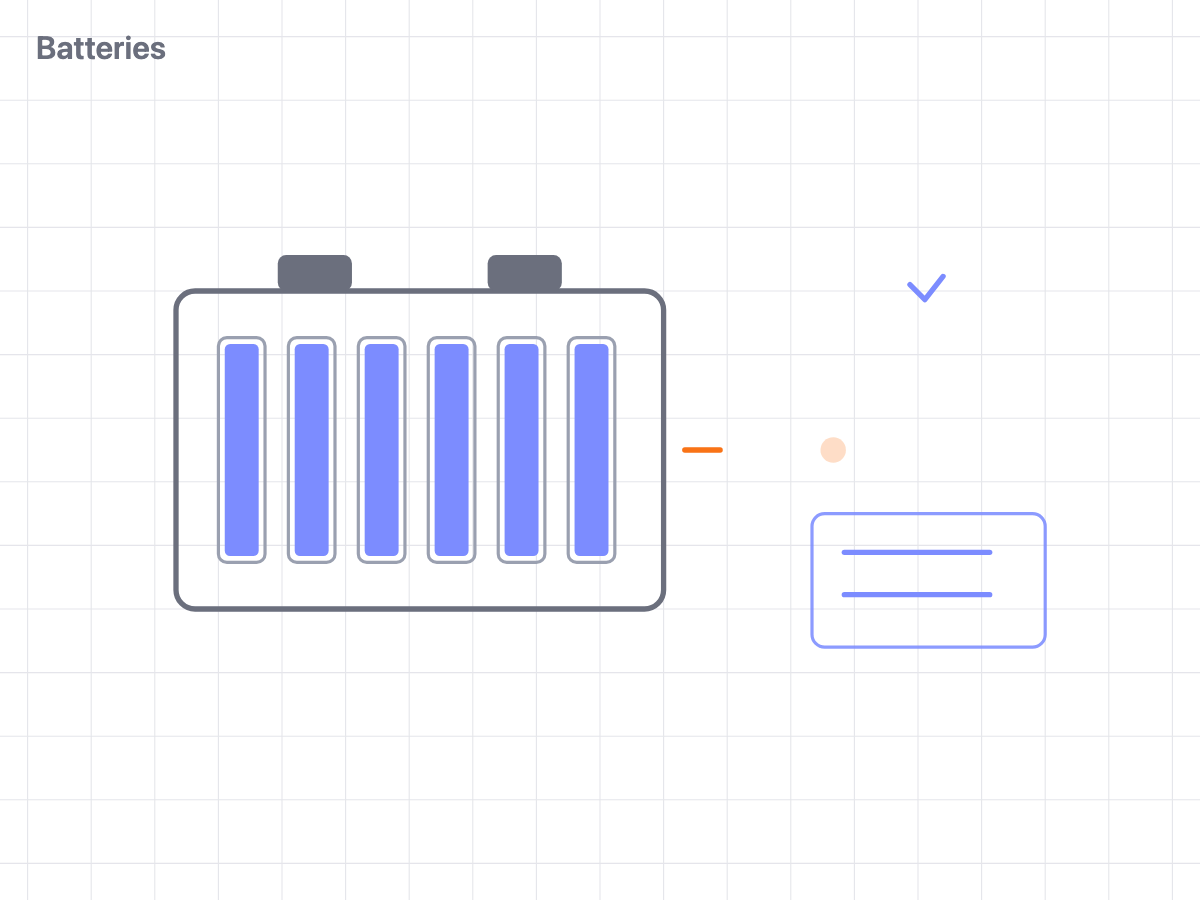
A traction battery is required to carry a record for its whole life, and its whole life includes a second life in something that is not a car, performed by an operator with no relationship to the maker. Fifteen years is longer than many suppliers last.
The recycler in 2040 reads the same record the maker wrote in 2027, without an account, an integration, or a surviving vendor. What is inside the pack is knowable before it is opened.
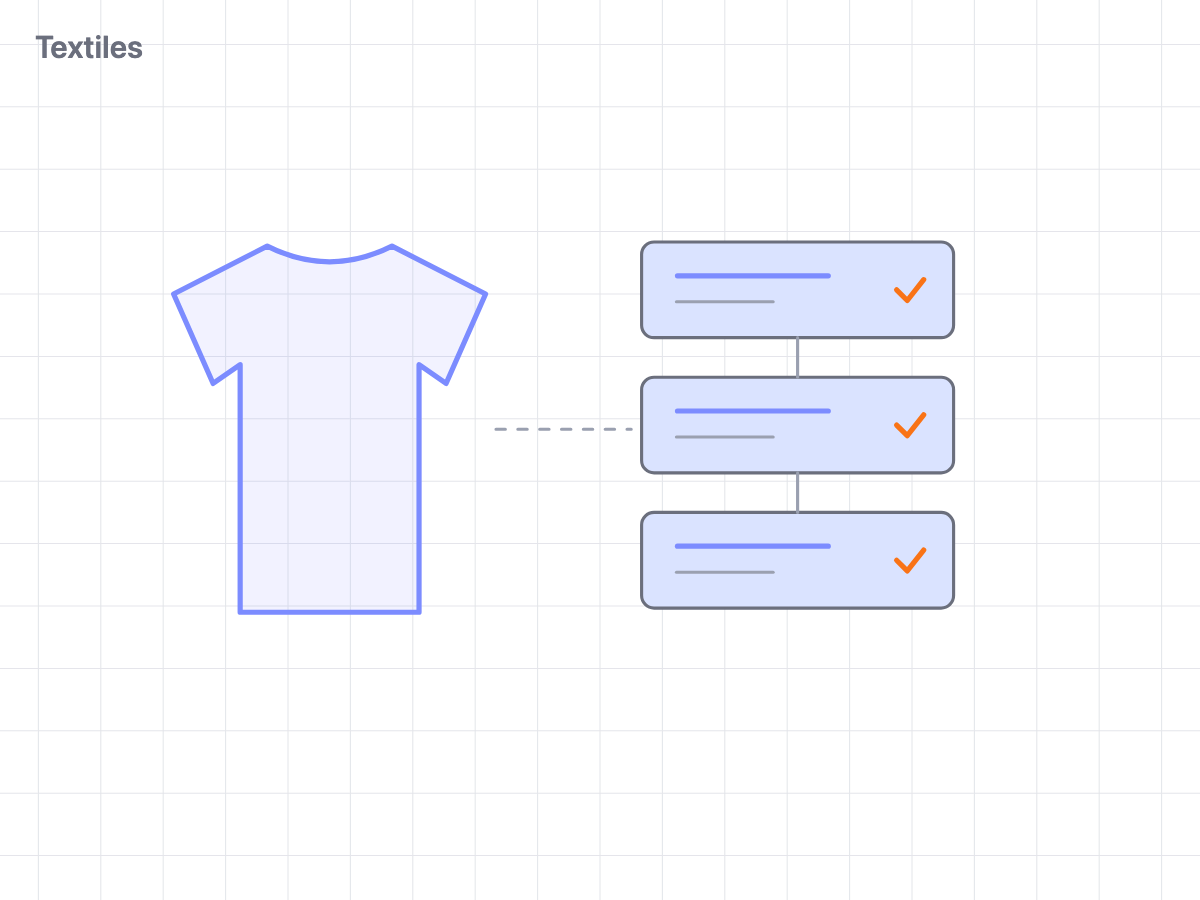
A garment changes hands more often than a brand changes systems. By the third owner the resale platform, the repairer and the recycler are all parties the brand never chose and cannot reach.
Every one of them opens the same passport from the label. The brand does not have to integrate with a resale market it has no relationship with, and the customer does not have to hope it still works.
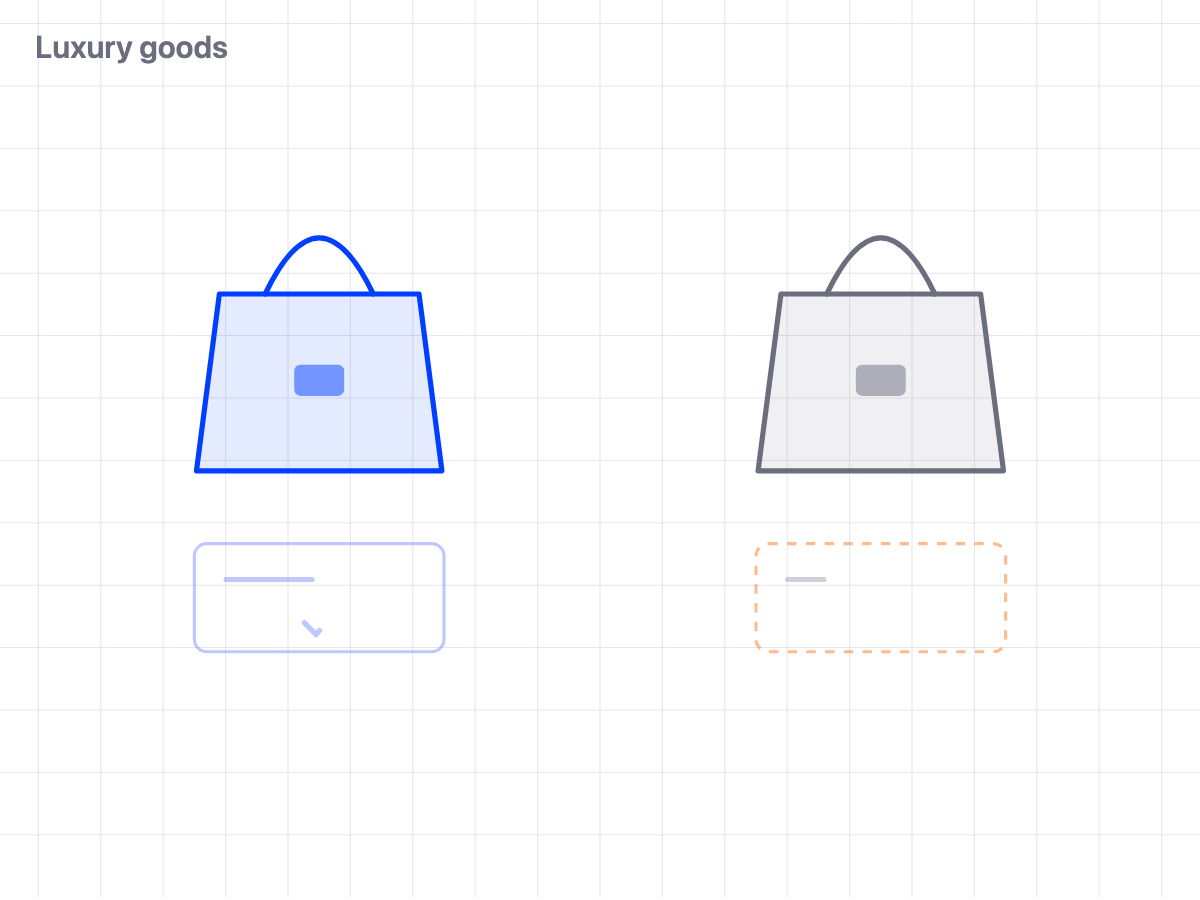
Provenance is the asset. A piece may be authenticated at auction decades after it was made, by a specialist who will not be given access to the maison’s internal systems and should not have to be.
The history travels with the object and can be checked by whoever is holding it. Authentication stops depending on a relationship with the brand, which is the only way it works at the fourth owner.
For graded cards and limited editions the record *is* the value. A grader, a marketplace and a private buyer all need the same history, and none of them will accept a version of it that only one company can produce.
One history, read identically by every party, and gradeable by any of them. A marketplace that closes takes its listings with it and leaves the provenance where it was.
For coffee and food the product is gone in weeks but the claim outlives it: origin, treatment, chain of custody, checked by a roaster, a buyer and a market authority who are reading in parallel and disagree about who to trust.
The claim is checkable by all three at once, from the same record, without any of them being routed through the others. Short product life, long claim life, and no single reader in charge of the answer.
Textiles and batteries have field sets running on this platform today. The other three are illustrations of the same argument, carried by the general profile rather than by a field set of their own.
What actually makes this true, rather than merely asserted. Every layer below is a published standard or a public record; none of it is ours to withdraw.
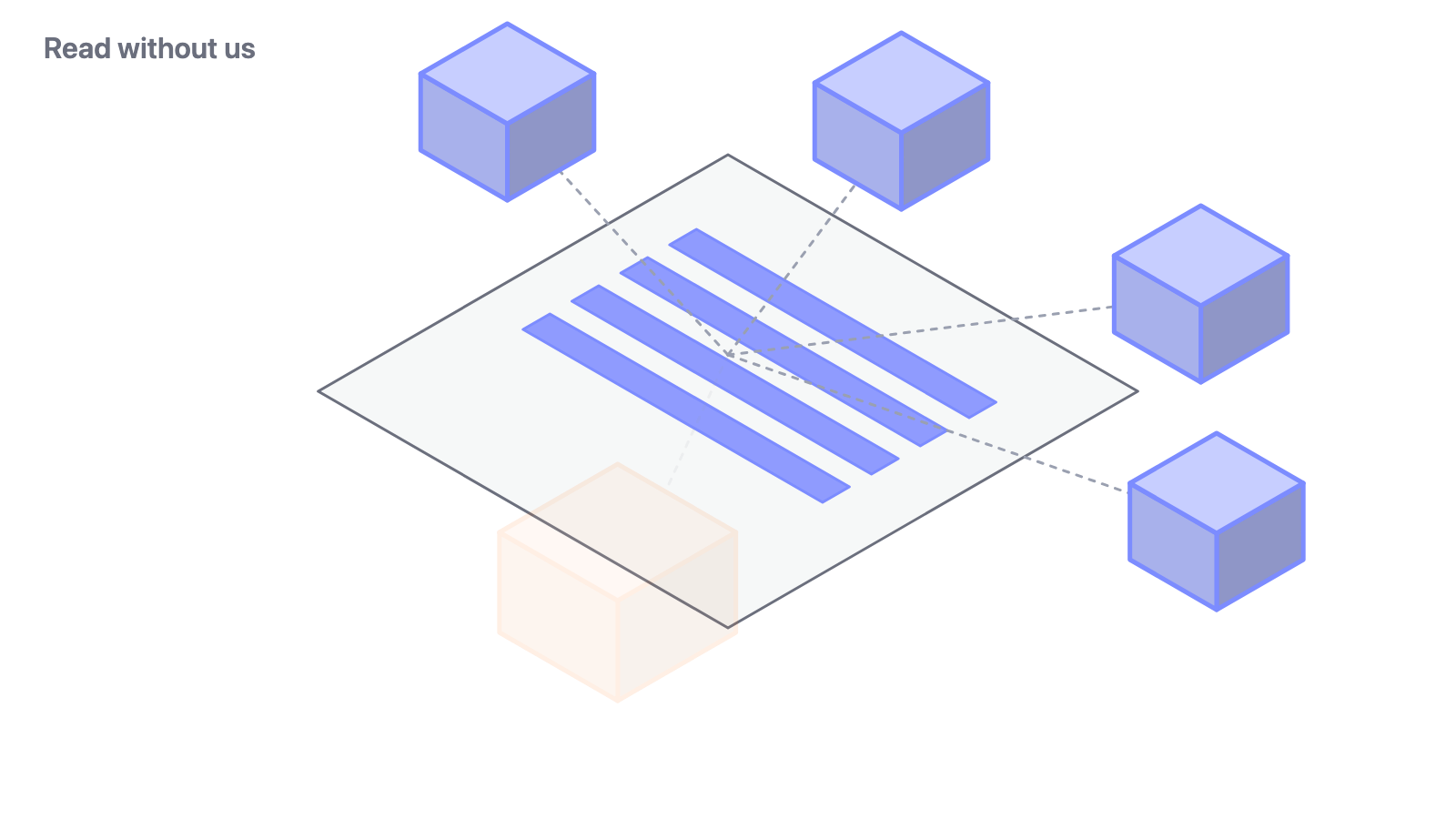
A passport’s state is written to a public record and anchored there. We do not hold the only copy and we cannot make it unreadable by switching something off. That is the difference between a record you can check and a service that answers questions about one.
Verifying a passport is a calculation your own device performs against public data. Nothing in that path is a request to us for an opinion, which is why the answer does not change if we stop answering.
A passport’s fields follow the DPP Token Standard v1 and its life events use the native lifecycle claim format. Anyone can write software that reads these records correctly, and the ones written today keep working on the ones written years ago.
The code on the product follows GS1 Digital Link, the same system behind ordinary barcodes. It is not a link into our site that we could redirect or retire; it is an identifier the retail world already governs.
Who made an entry is established through a BSV DID, a method published by its own authors and resolved by services we do not operate. A reader confirming that a record came from a particular maker is not asking us to confirm it.
Point the public check at any passport. It answers from public data, in your browser, without asking us anything. The whole argument on this page takes about a minute to falsify.