Skip to content
Talk to us
Retailers

Know what is on the shelf before it reaches the shelf.

You carry the weight of claims you did not write, about products you did not make. Check a supplier at goods-in instead of trusting a document, and hand the same record to the customer at the till.

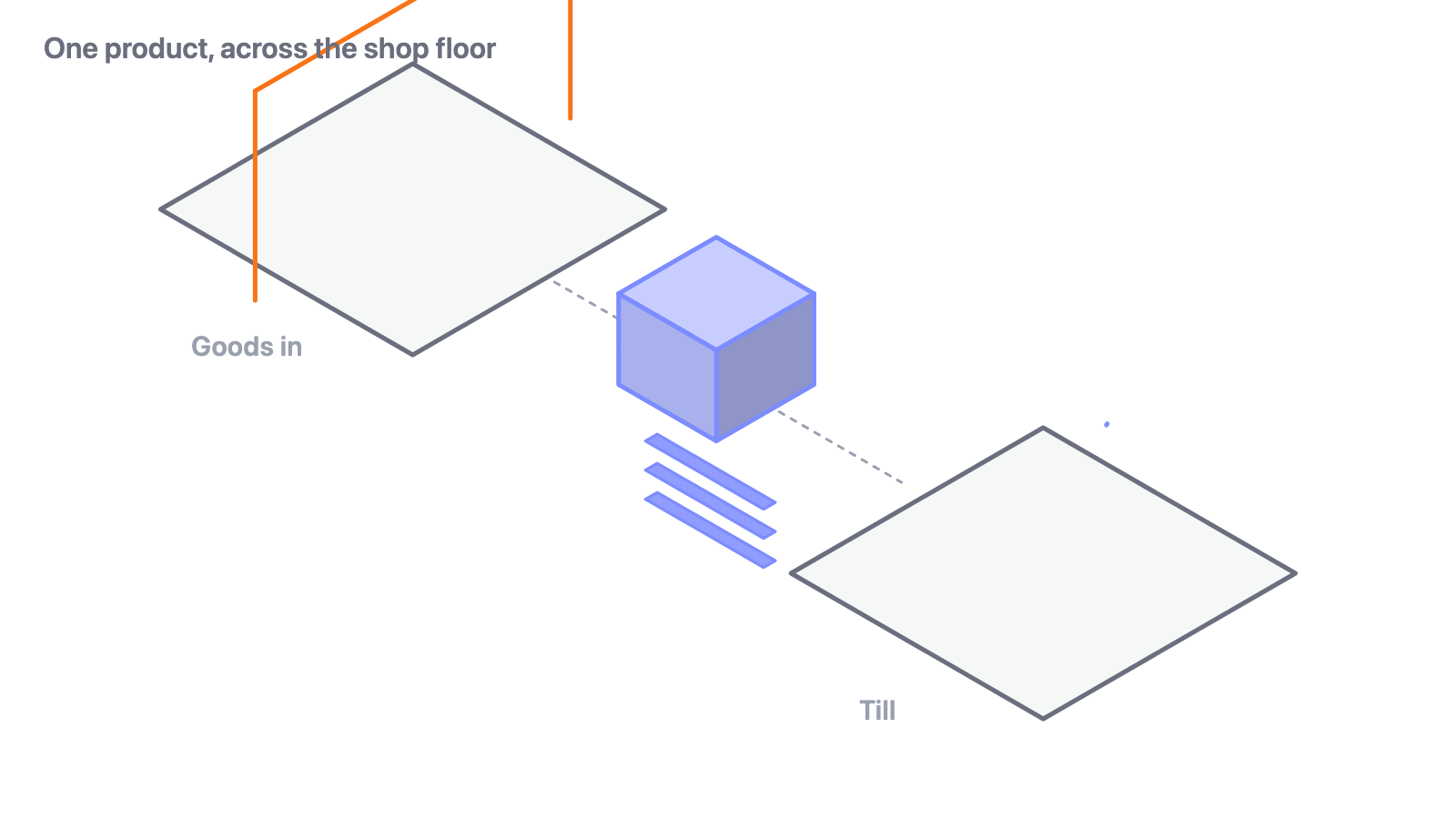
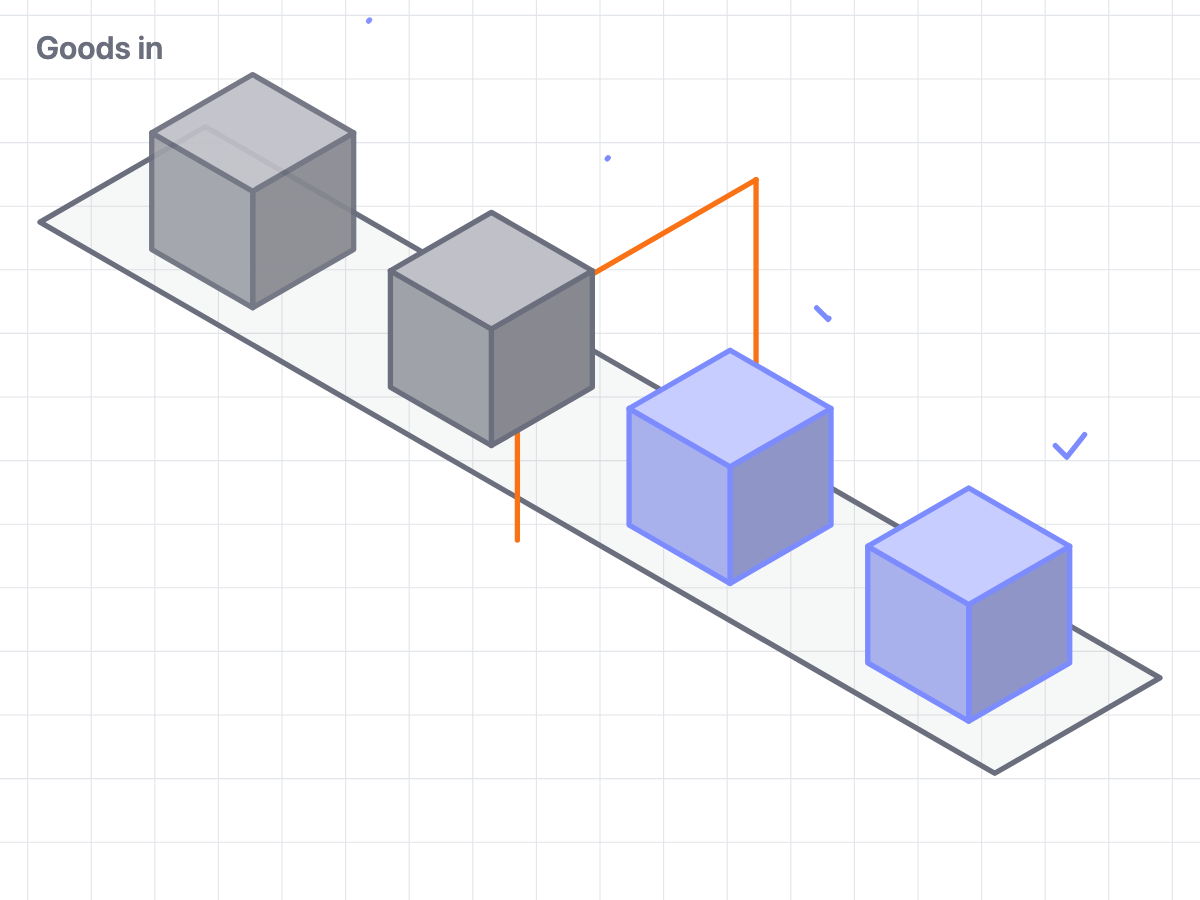
Checked atGoods-in, in seconds
Supplier documentNo longer the evidence
Given to the customerAt the till, automatically
Returned goodsIdentified, not guessed at
Across the lifecycle

You stand at the handover, twice.

You touch a product at the two moments responsibility moves: when it arrives, and when it leaves with the customer. Both are moments a claim gets inherited.

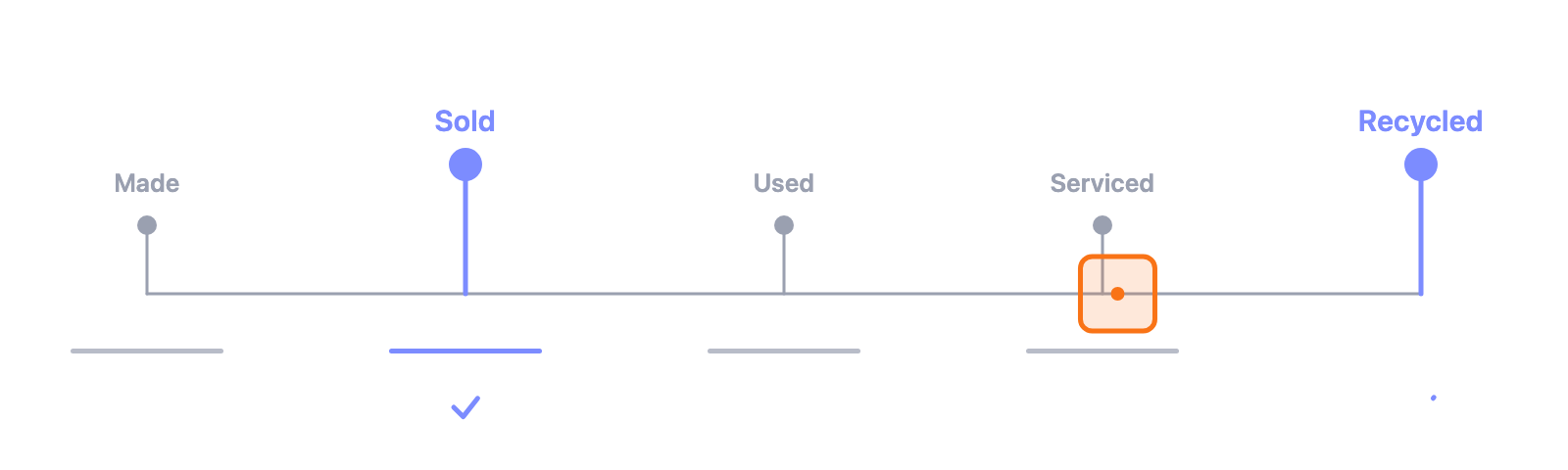
MadeThe first entry. What it is, what went into it, who made it and where. Everything after this points back to it.
SoldCare of the passport moves to whoever holds the product. The history does not reset, and nothing already written can be quietly removed.Yours
In useThe owner reads it, adds to it and proves it is theirs. Private detail stays private to them.
RepairedA service partner adds what they did and what they replaced. The entry carries their name, not the brand’s.
Passed onResold, inherited, or recycled. The story travels with the product, which is what makes the next owner willing to pay for it.Yours

Yours are the sale, and the resale or return when it comes back.

What it gives you

Three problems that stop being yours

Each one is a cost you currently carry on behalf of somebody else’s claim.

Diligence that takes seconds, not a supplier questionnaire

Instead of a document asserting a product’s composition, you read the product’s own record and confirm it traces to the maker who claims it. A discrepancy shows up at goods-in, where it is cheap.

For example. A department store confirms a consignment of coats matches the fibre content its supplier declared, before any of it is priced.

Counterfeits fail at the door

Grey-market and counterfeit stock is hard to spot in a carton and expensive to discover on a shelf. An item with no passport, or one that does not trace to the brand it claims, is identifiable before it is ever put out.

For example. A watch retailer separates genuine returns from substituted fakes without sending anything to an authenticator.

Resale and take-back become a business, not a risk

Secondhand and trade-in only work if you can tell what an item is and what has happened to it. When it carries its own history you can price a trade-in confidently and resell it with the provenance intact.

For example. A sports retailer takes back a jersey, reads its repair history, and resells it with the record still attached.

What arrives with a delivery

Paperwork you cannot check becomes claims you can.

A pallet arrives with a packing list and a folder of PDFs, and none of it proves anything on its own. The same facts on a passport can be checked at goods-in in seconds.

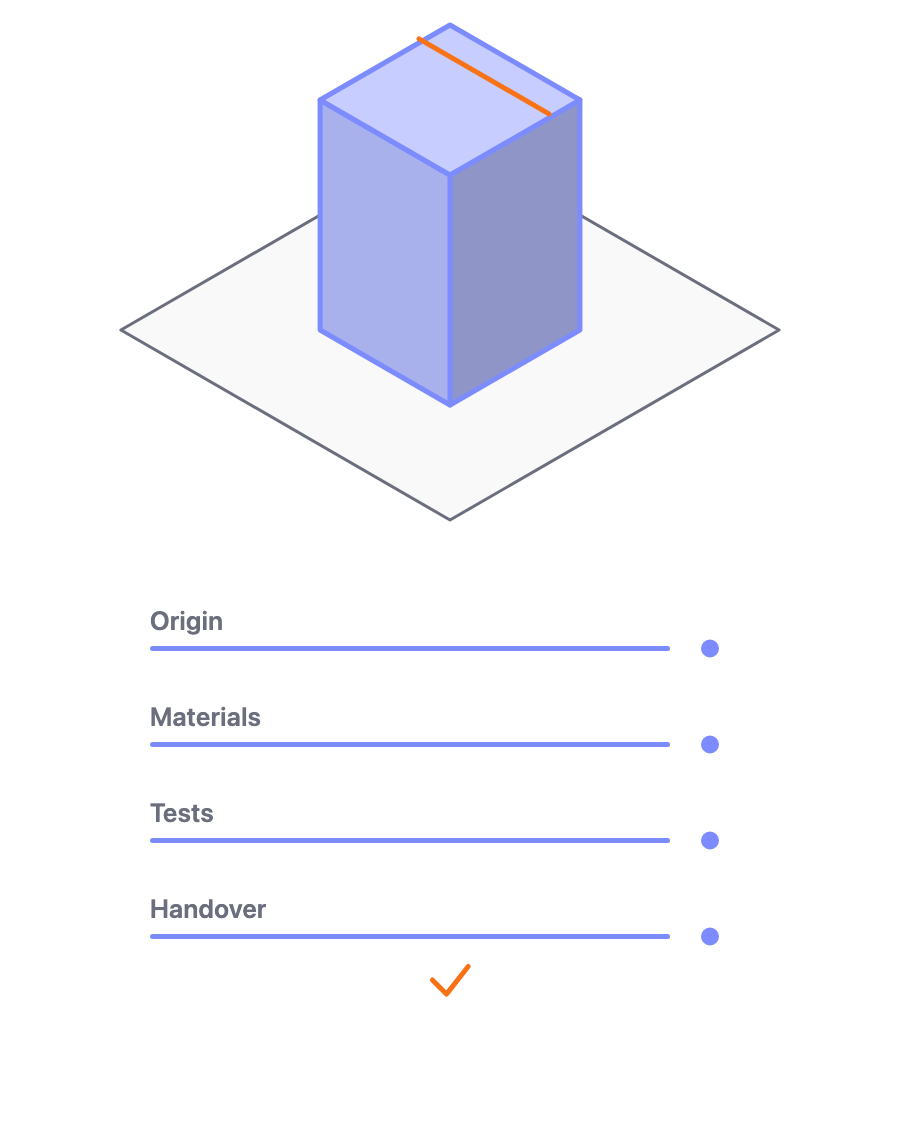
Packing lists, Supplier PDFs, Email claims, Spreadsheets become one record, read back as Verified origin, Compliance, Warranty, Resale.

A worked example

A worked example: a consignment arriving

What a retailer does at each step, and what the record answers without anyone being telephoned.

On arrivalEach unit’s claims confirmed against the maker who made them
DiscrepancyFlagged before the consignment is priced
At the tillCare of the passport moves to the customer
On returnThe unit is identified, not guessed at
On resaleThe history is intact, and it is what the next buyer pays for

The claim you inherit is now a claim you can check, which is the difference between a document and evidence.

How it works

The parts underneath, named plainly.

What sits underneath, for whoever on your side has to sign off on it. All four layers are published standards rather than our own inventions.

It reads from the barcode you already scan

The identifier follows GS1 Digital Link, so the code on the carton or the item is the code that opens the record. Your existing scanning estate is the integration; there is no second system to roll out to stores.

The check runs on your side, not ours

Confirming a record is genuine is a calculation your own device performs against public data. You are not asking us whether a product is real and taking our word, which is what makes this usable as evidence.

Claims trace to a named maker

Each entry is attributable to an organisation identified by a BSV DID, a published identity method. That turns “the supplier says it is organic cotton” into “this mill stated it, and here is the proof it was them”.

The record format is open, so it outlives any one supplier

A passport’s fields follow the DPP Token Standard v1 and its life events use the native lifecycle claim format. Records you accept today stay readable if you change platform, and a supplier cannot hold your product data hostage.

Verify a supplier’s claims without asking the supplier.

Run the check a goods-in team would run, on a record you had no hand in making, in your own browser. Two of the five checks go to sources neither you nor the supplier controls.