
01
Scan the tag
Every product carries one: a printed code on the swing tag, or a chip sewn into the seam. A phone camera is the whole reader.
Scan a product and see its recorded life: what it is made of, where it came from and everything recorded since. The record is public, held on a public blockchain rather than in one company’s database, and anyone with a copy of its evidence can still check it after that company is gone.
Build your own compatible application or service using the DPP standard, specifications and examples.
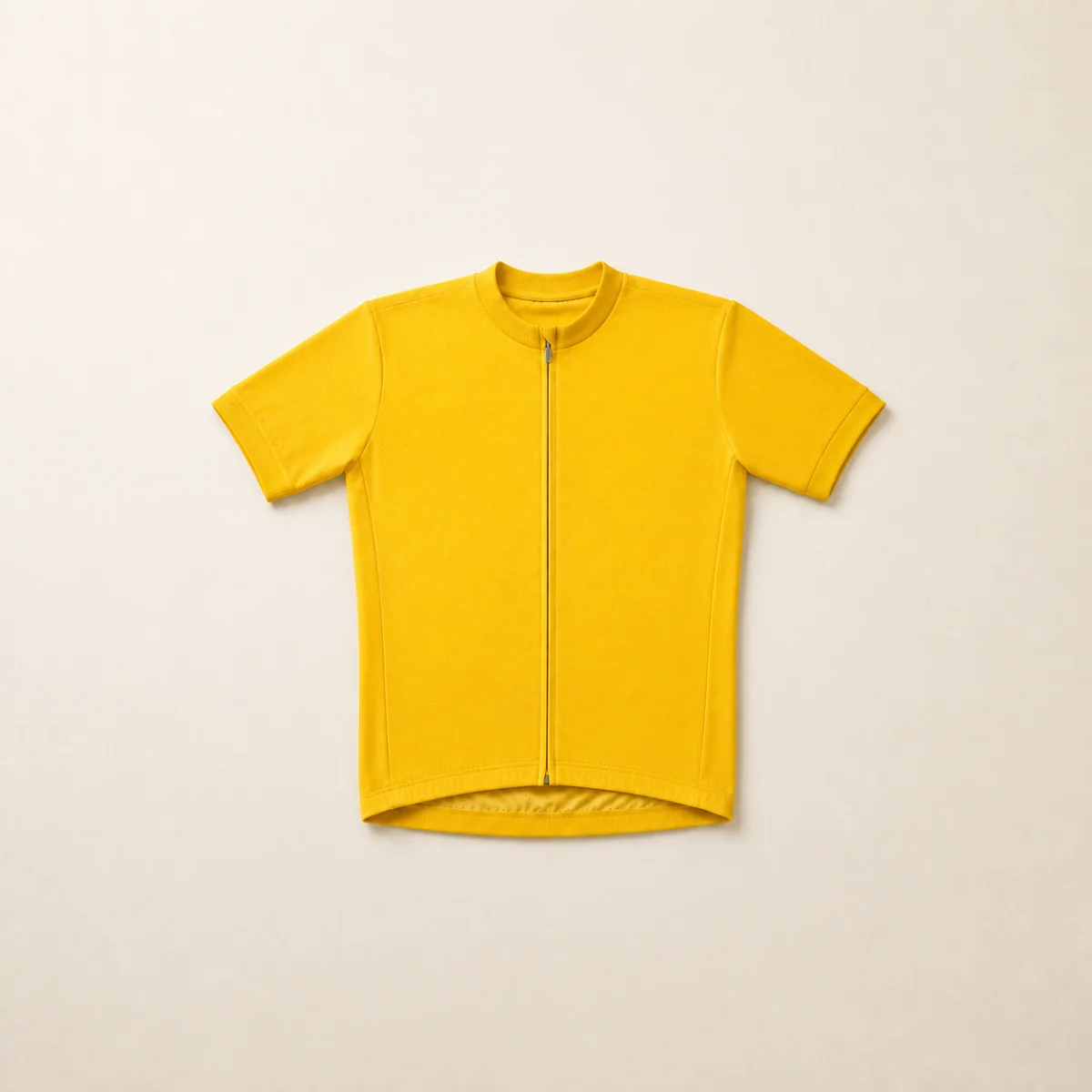
Maglia Sportiva, Textiles
Open a passport
Every product carries one: a printed code on the swing tag, or a chip sewn into the seam. A phone camera is the whole reader.
What it is made of, where it was made, and everything recorded since: serviced, handed on, repaired, repurposed, recycled.
Every entry names who it was written for and, once published, carries a reference you can follow to the public record.
See how to check one
A passport for your batteries: chemistry, carbon class, recycled content, with deeper detail for approved service partners.Chemistry, carbon class, recycled content. Deeper detail for service partners.
Mandatory in the EU from 18 February 2027 for electric vehicle and light transport batteries, and industrial batteries above 2 kWh. The profile maps to the regulation and runs here today; the mapping is not yet assessed and does not qualify a battery.
Open a passport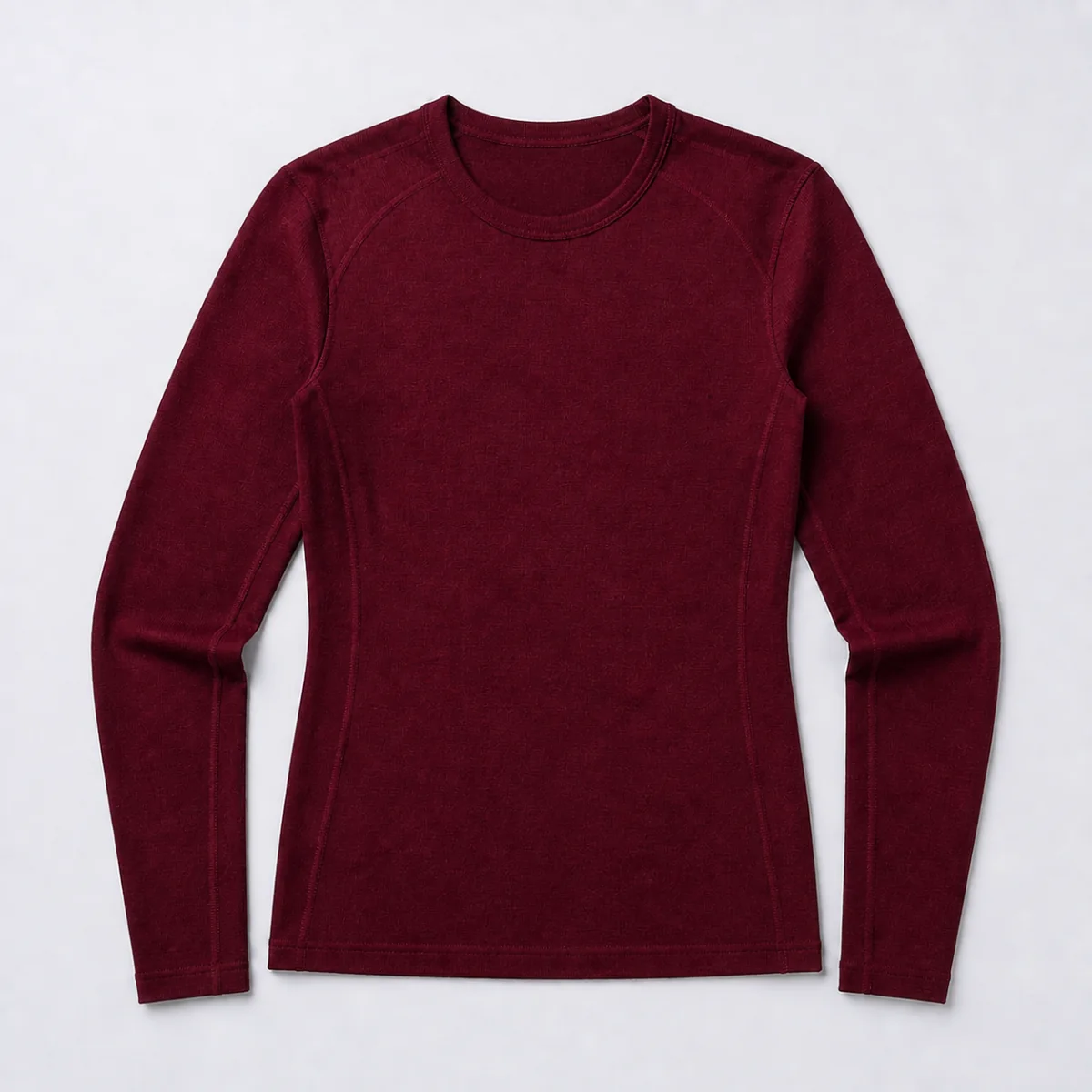
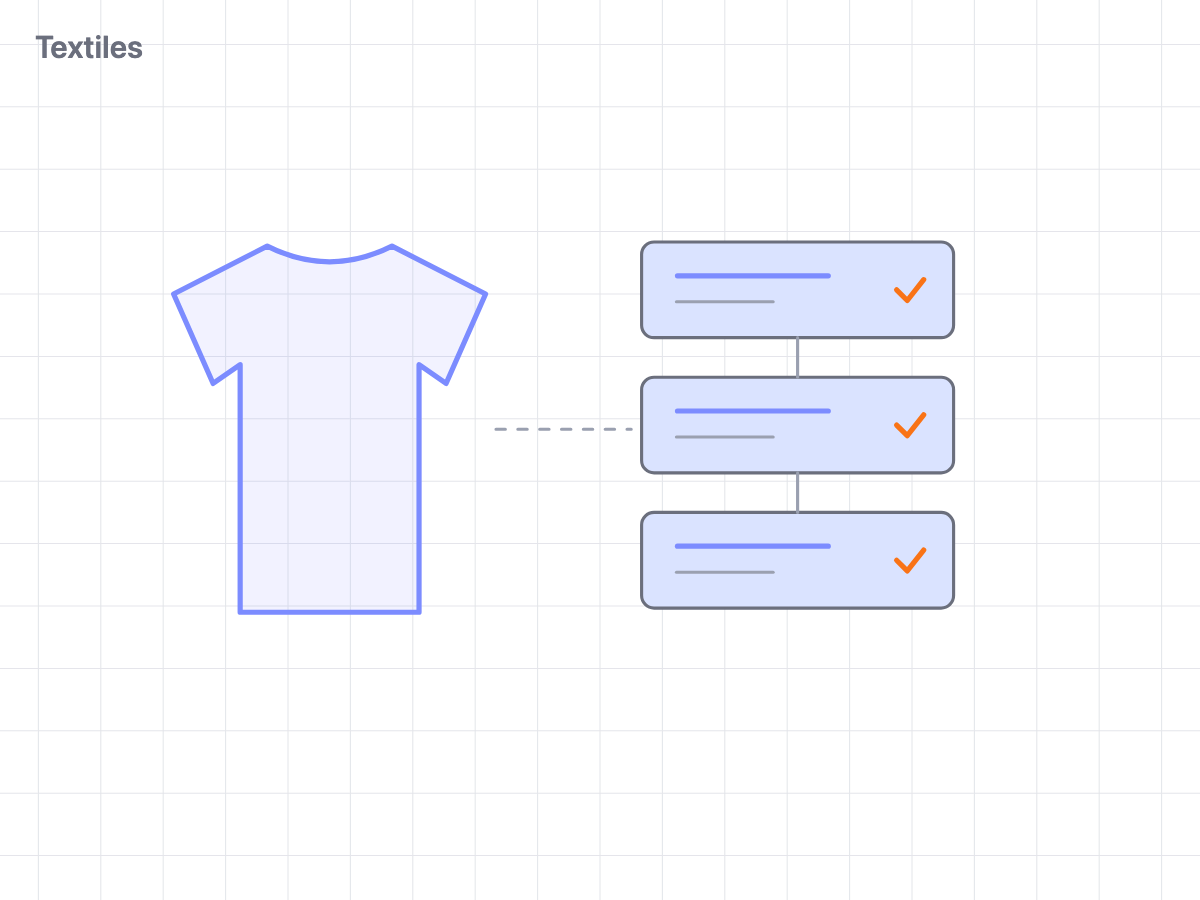
A passport for garments: fibres, origin, care, and a life story that moves with each owner.
Mapped to the Ecodesign Regulation’s general passport requirements and EU textile labelling law. Textile-specific data requirements are not set yet.
Open a passport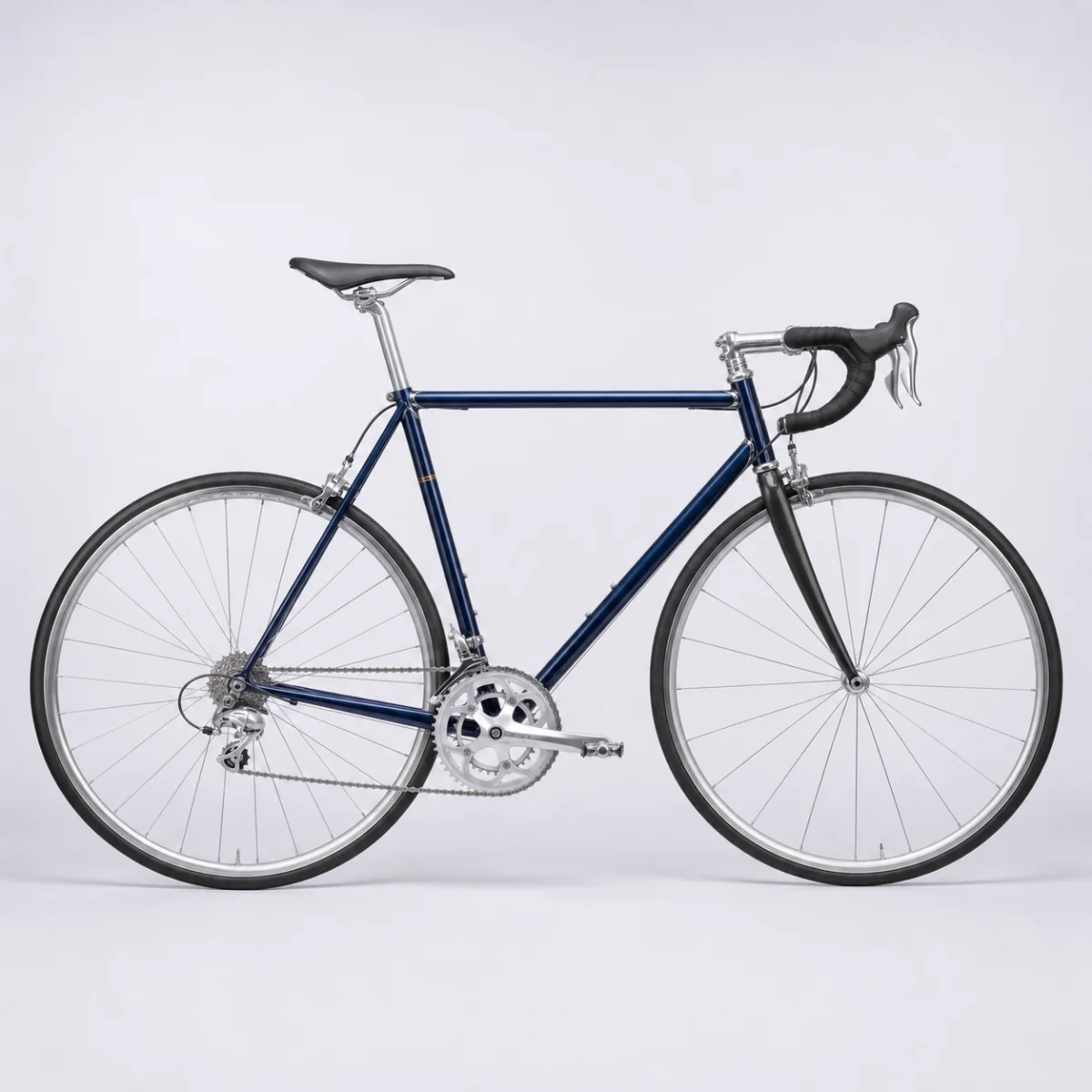
For everything else: any product with a story worth keeping. A handbuilt bicycle, a violin, a watch.
Shared lifecycle rules and GS1 Digital Link identifiers, though no delegated act covers these yet.
Open a passportRecord what you made, once, at the line. Every claim stays checkable as the product changes hands.
Read the pageWhere the story is authoredYour product’s story, told by the product itself. One page a customer opens from the label and checks for themselves.
Read the pageWhere the product changes handsKnow what is on your shelf before it arrives. Check who signed a supplier’s claims, and that nothing was changed, in seconds, then hand the record on at the till.
Read the pageWhere the record is readScan the label and read the recorded life of what you own: what it is made of, who made it, and its history when you pass it on.
Read the pageA battery lasts fifteen years and a coat lasts thirty. Both will be asked to prove what they are long after somebody’s software has been switched off, so the proof cannot live inside anybody’s software, including ours.
Why checking it does not depend on usThree read our own copy of the record. Two go to services we do not run, which is the difference between a result you can rely on and a company assuring you of something.
See how the check worksWhat the coming obligation asks for, which fields it covers, and what it takes to put your products on an open standard rather than inside somebody else’s platform.
Read the commercial case| What the passport holds | Anyone with the tag | The owner | A service partner |
|---|---|---|---|
| Published to anyone | |||
| Materials and composition | Sent to this reader | Sent to this reader | Sent to this reader |
| Maker, place and date | Sent to this reader | Sent to this reader | Sent to this reader |
| Care, repair and end of life | Sent to this reader | Sent to this reader | Sent to this reader |
| Its life so far, and proof the record is intact | Sent to this reader | Sent to this reader | Sent to this reader |
| Kept for the owner | |||
| Purchase and warranty details | Not sent | Sent to this reader | Not sent |
| Sent on approval | |||
| State of health, dismantling and declarations | Not sent | Not sent | Sent to this reader |
Created when the maker registers the unit and named by the identifier on its tag. If two records claim the same identifier, a reader is told rather than handed one.
Once published, an entry cannot be edited, and removing one from the middle would show. A correction is a new entry that follows the one it changes, so both stay readable.
Each entry carries its own reference. Follow it to the public record and check that the entry there is the same, with no account and no permission from this platform.
Sample record, for illustration
Entry 2 of 4
On the passport, one line: Serviced by Nordwind, March 2022.
Anyone who handles a product can sign a claim about it without controlling the passport. Nobody can overwrite what somebody else put there, which is what makes the whole of it worth reading.
Create a brand and publish a sample passport in a couple of minutes. It is a real, public record on the BSV blockchain, marked as sample data, and anyone can check it as soon as it is written. Nothing goes out until you choose.