Skip to content
Talk to us
Brands

A passport that answers for your product, long after the sale.

Recyclers, insurers, second-hand buyers, repairers, market authorities: your product will meet them all one day. Publish the record once, and each of them gets a trustworthy answer without needing anything more from you.

Nothing here asks to be believedEvery claim on this page routes to something you can open and run: a record, an anchor, a resolver we do not operate, a published key.Start with the public check →
Across the lifecycle

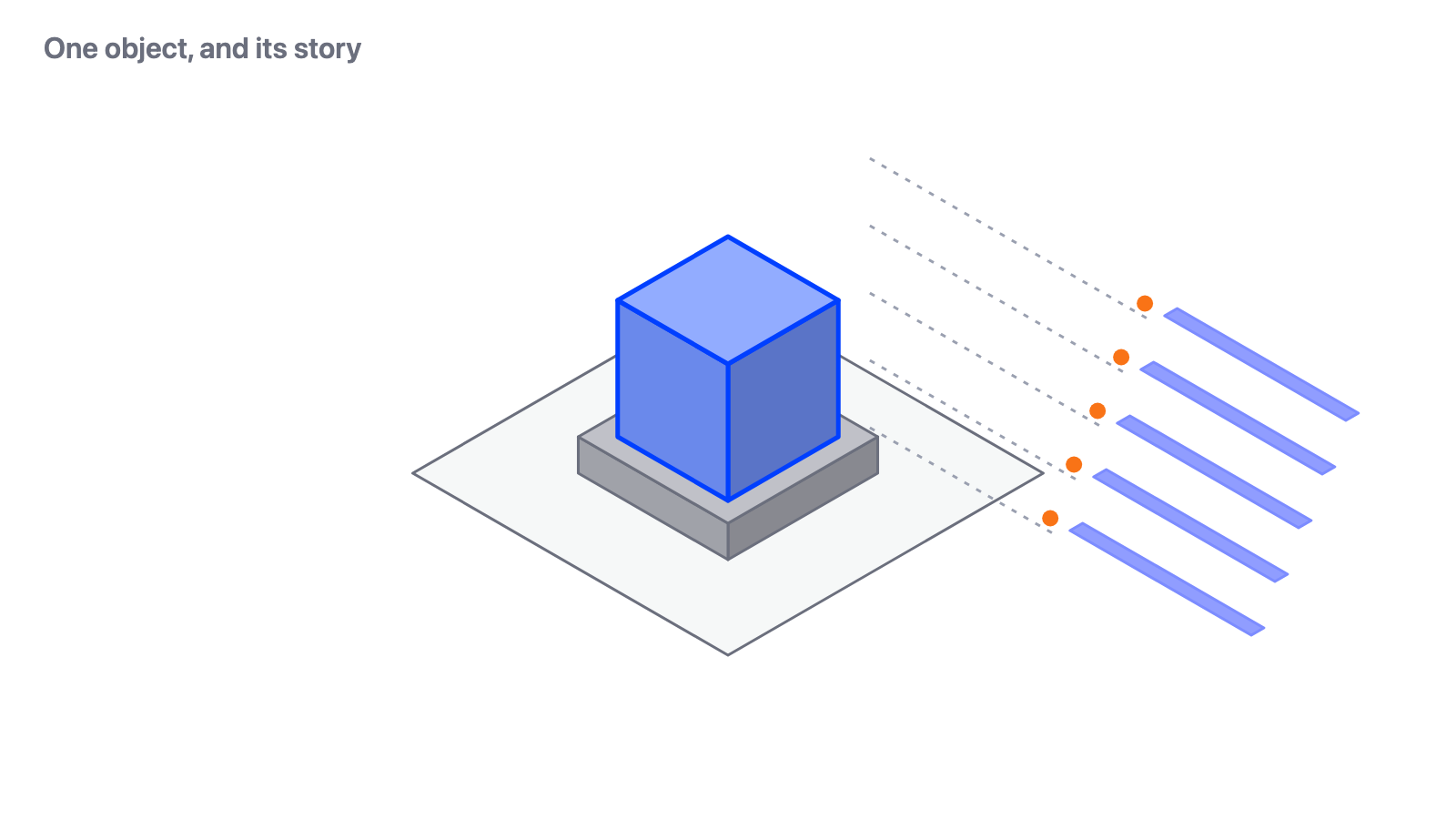
You author the story. The product tells it, for as long as it exists.

A brand’s work is concentrated at the start and its value is realised everywhere after. What you write into the first entry is what a second owner reads in nine years.

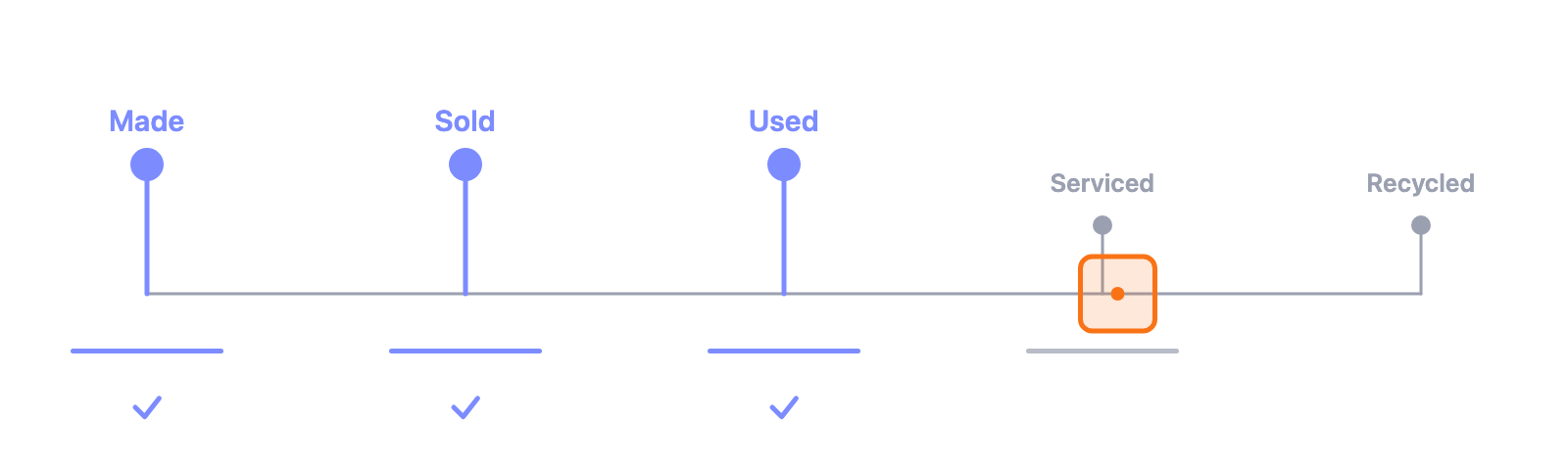
MadeThe first entry. What it is, what went into it, who made it and where. Everything after this points back to it.Yours
SoldCare of the passport moves to whoever holds the product. The history does not reset, and nothing already written can be quietly removed.Yours
In useThe owner reads it, adds to it and proves it is theirs. Private detail stays private to them.Yours
RepairedA service partner adds what they did and what they replaced. The entry carries their name, not the brand’s.
Passed onResold, inherited, or recycled. The story travels with the product, which is what makes the next owner willing to pay for it.

Yours are the making, the first sale, and the whole of the life that follows.

What it gives you

What a passport does that a campaign cannot

Three things you cannot buy with media spend, because they depend on the customer being able to check.

Authenticity that does not rely on being believed

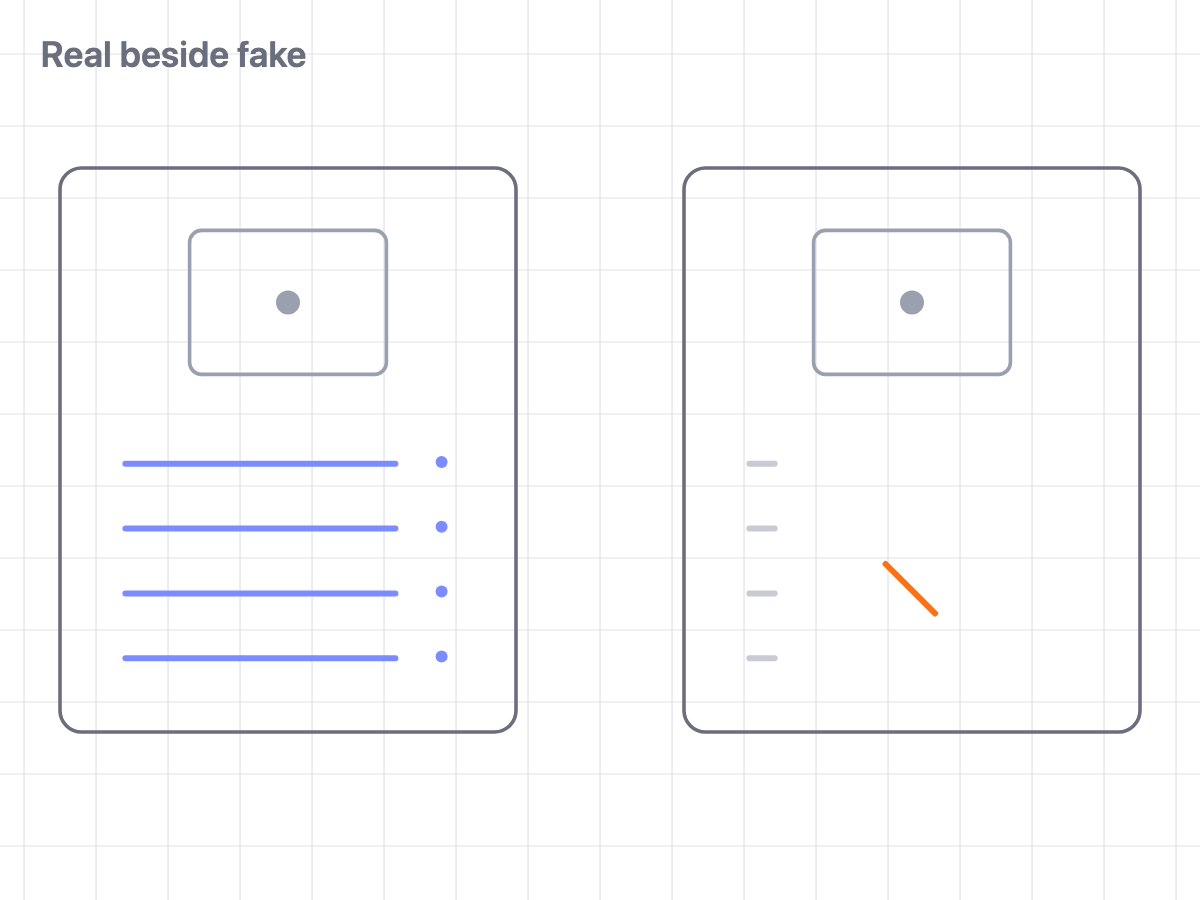
A counterfeit copies the logo, the hologram and the serial. It cannot copy a record that traces to your identity and has existed since the item was made. The absence becomes the tell, checkable in the shop, in seconds.

For example. A luxury handbag resold at auction carries its own provenance, so the buyer is not paying an expert to authenticate it.
The resale market becomes yours instead of a leak

Secondhand trade happens whether or not a brand takes part. When the passport travels with the item, every resale is a moment you are present for: the item is genuine, the new owner meets you, and the value is defended.

For example. A limited-run sneaker keeps its edition number and ownership history through four owners, and each one registers with the brand on arrival.

Craft becomes legible to the person paying for it

The mill, the maker, the hours, the repairability: the things that justify a premium are invisible at the point of sale. A passport is where they live, available exactly when somebody is deciding whether the price is fair.

For example. A tailored coat shows its wool’s origin, the atelier that cut it, and the repair its owner had done in year three.

Where the facts live now

Everything you already know, in one place a customer can open.

Your suppliers send it, your team files it, and none of it reaches the person holding the product. The passport is where those answers become readable without anyone asking you.

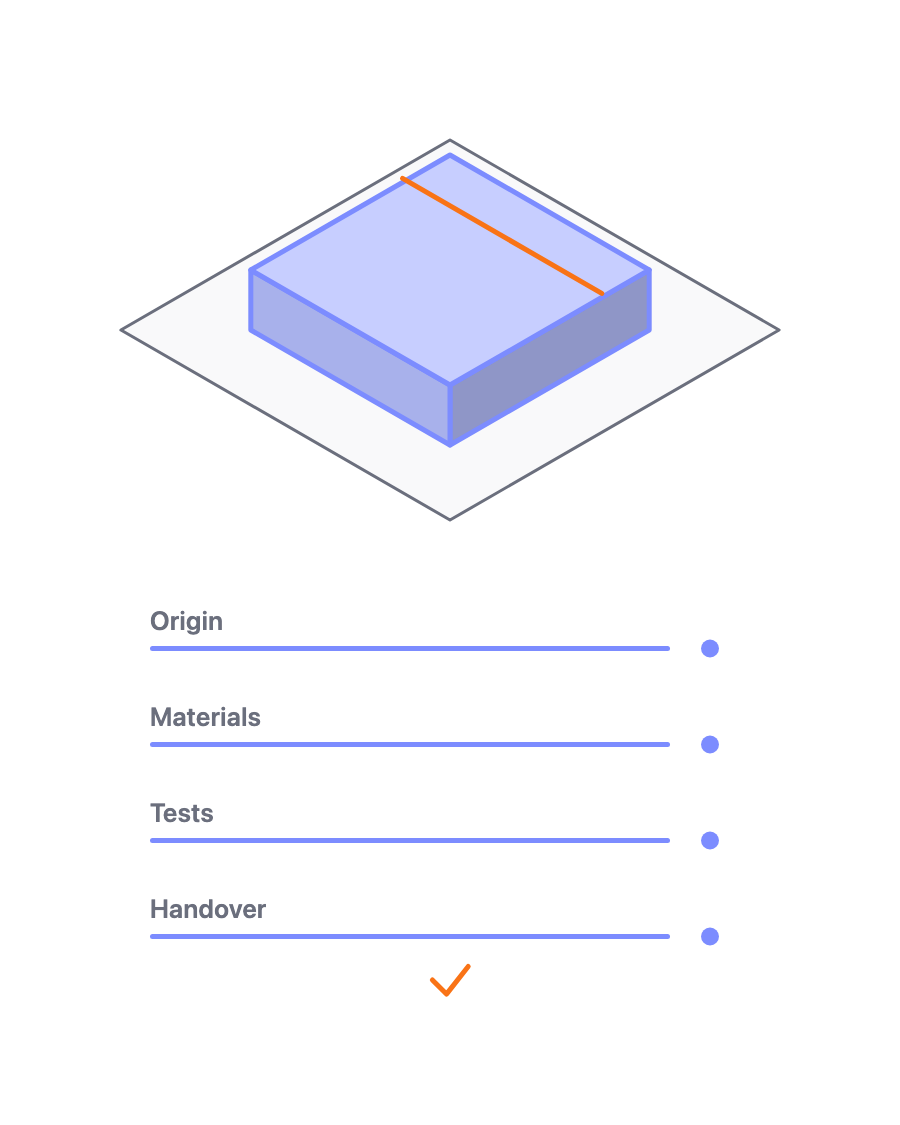
Supplier files, Care guides, Mill certificates, Photography become one record, read back as Materials, Makers, Care, Resale value.

A worked example

A worked example: one jersey, nine years

The same record, read by four different people at four different moments. No two of them wanted the same thing from it.

At the tillFibres, origin, care, and who made it
Year oneThe owner proves it is theirs and adds nothing else
Year threeA repairer records the work, under their own name
Year sixResold; care of the passport moves with it
Year nineThe second owner reads the whole story, including the repair

Every one of those readings is a moment your brand is in the room, long after the sale.

Publishing

What it takes to put your own products on this.

Three steps, a field set that comes from the standard rather than from a form we invented, and a deadline that is real for one sector and coming for the rest.

To publish one recordThree steps
Where the fields come fromThe standard
Cost per recordFixed and tiny
Priced per monthNo
How it works

The parts underneath, named plainly.

What the passport is built on, for the people on your team who will ask. The short answer is that none of it is proprietary to us.

The label is the link

The code on your swing tag, care label or chip follows GS1 Digital Link, so the code logistics already uses is the one that opens the story. No app, no second identifier, nothing to install.

The record is a published format, not our database

A passport’s fields are set by the DPP Token Standard v1. Because the format is published, your records stay readable by anyone, including whoever you might move to. That is the difference between a story you own and one you rent.

Your identity is yours, and provable

Your brand is named by a BSV DID, published as a method by its own authors. An entry made by you is attributable to you and cannot be forged by somebody who has copied your artwork, which is what makes the counterfeit test work.

The life events mean the same thing everywhere

Made, sold, repaired, passed on: the vocabulary uses the published native lifecycle claim format. A resale platform or an insurer can read your products’ histories without a bilateral integration with us.

Open one of your own products and see how it reads.

Create a passport in a demonstration workspace, then open it the way a customer would, from the label.